Engagement context
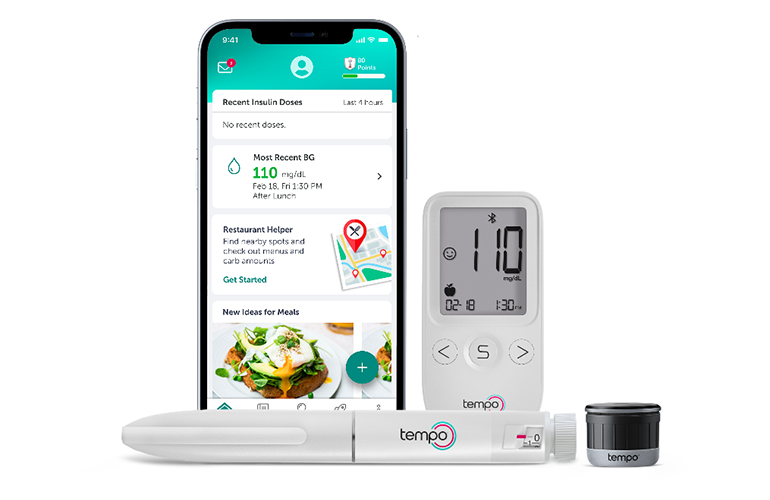
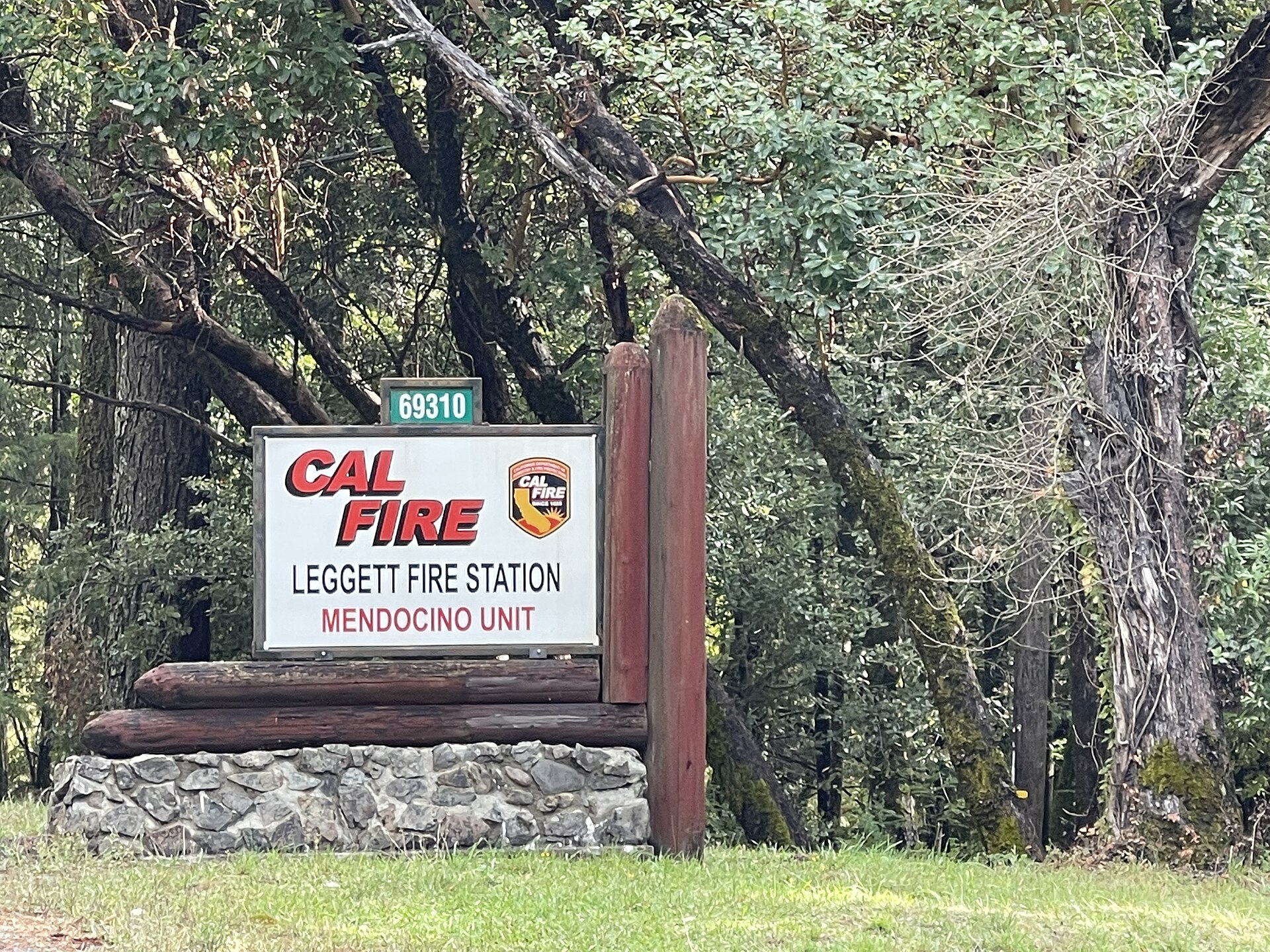
Volunteer technical advisor and mentor — 2019 to present, ongoing. Working with students and staff of Santa Clara University’s EPIC Lab (led by Prof. Navid Shaghaghi) on Incident Aid — a mobile application built for California firefighter operational workflows. The lab also runs a separate student-transit application (PTHub) in parallel; this case study focuses on Incident Aid. Incident Aid spun out as a public-benefit corporation supporting individual first responders and humanitarian disaster relief.
The problem
First-responder tooling has to work under conditions that consumer apps are not designed for: degraded connectivity, high stress, no time for a learning curve. The software can be technically sound and still fail the people using it if it does not account for the operational environment it will be used in.
The engineering challenge is matched by a structural one. SCU’s students bring technical capability but not domain knowledge of how firefighters actually work. California firefighters bring domain knowledge but not the engineering vocabulary to translate operational needs into software requirements. The advisor’s role is to make that translation work in both directions — and to do it without taking over the engineering, which is the students’ work to own.
The work
- Provided ongoing technical guidance to SCU students and staff building Incident Aid — a mobile application built for California firefighter operational workflows in SCU’s EPIC Lab.
- Mentored student engineers through the full software development arc: requirements, architecture, implementation, and the operational realities of shipping software that real users depend on.
- Maintained direct collaboration with California firefighters to understand workflow requirements and translate them into engineering constraints the student team could act on.
- Sustained the engagement over six-plus years without institutional obligation — a voluntary, ongoing commitment to a single set of stakeholders.
The outcome
The engagement has run continuously since 2019. The applications have been built, iterated, and built for California firefighters’ operational use. The student engineers have shipped software that operates in a real operational context, not a classroom simulation.
Six-plus years is the metric here. Not a project delivered and closed, but a commitment sustained across multiple student cohorts, multiple firefighter seasons, and changes in everyone’s circumstances.
What it demonstrates
This is Advise & Review — the lightest-touch engagement mode, sustained over the longest horizon of any case study on this site. It demonstrates comfort operating in the background: providing architectural guidance and domain translation without taking ownership of the output, and without needing the engagement to grow into something larger to justify the ongoing time investment.
For clients evaluating the Advise & Review model — architecture reviews, periodic check-ins, technical due diligence — this is the character evidence. It shows that advisory mode is not a reduced version of engagement; it is a distinct mode that requires patience, consistency, and the discipline to not solve the problem for the people who are supposed to own it.